Optimal Timing for Foundation Repairs
Understanding the optimal timing for foundation repairs is essential for ensuring long-term stability and minimizing costs. The best time to perform foundation repairs depends on various environmental and soil conditions, which can influence the effectiveness of repair methods. Typically, dry and moderate weather conditions are ideal, as they allow for proper curing and settling of repair materials.
This period often offers stable weather with less rainfall, making it suitable for foundation repairs. Dry conditions help in proper application and curing of repair materials.
Mild temperatures and lower humidity levels during this time can facilitate effective repairs. Avoiding extreme heat or cold ensures better material performance.
Cold temperatures and freezing conditions can hinder repair processes and cause additional soil movement, making winter less suitable for foundation work.
After heavy rains or droughts, soil conditions can change significantly. Waiting until soil stabilizes is recommended for effective repairs.
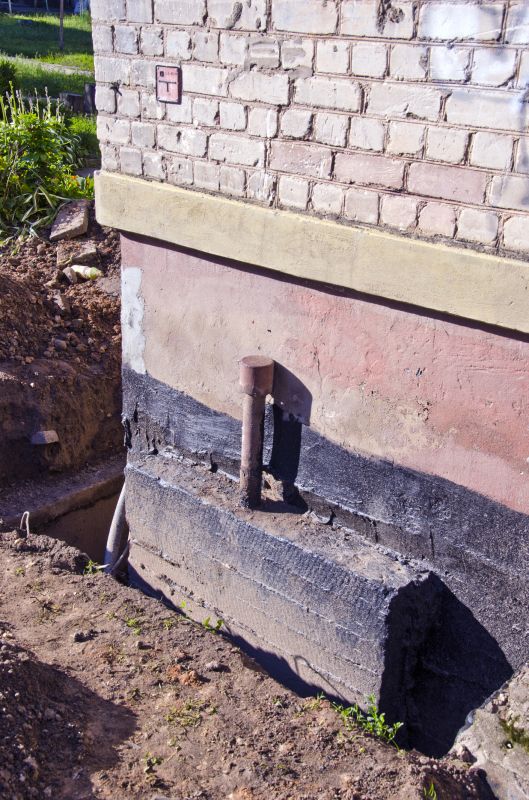
Dry spring days are ideal for foundation stabilization projects.
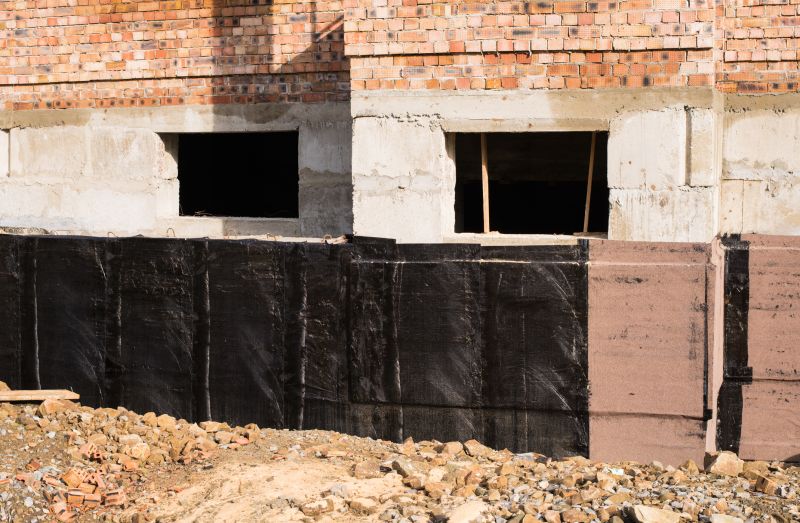
Moderate summer temperatures support effective repair procedures.
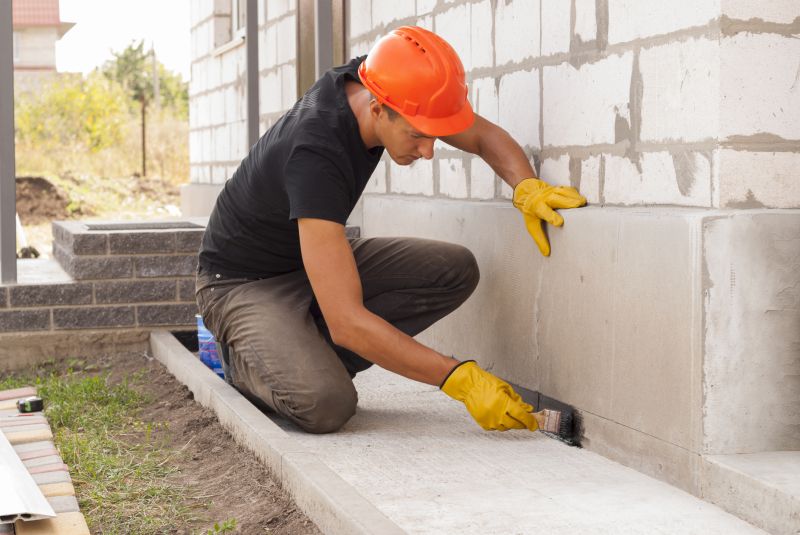
Mild fall weather allows for thorough and effective repairs.
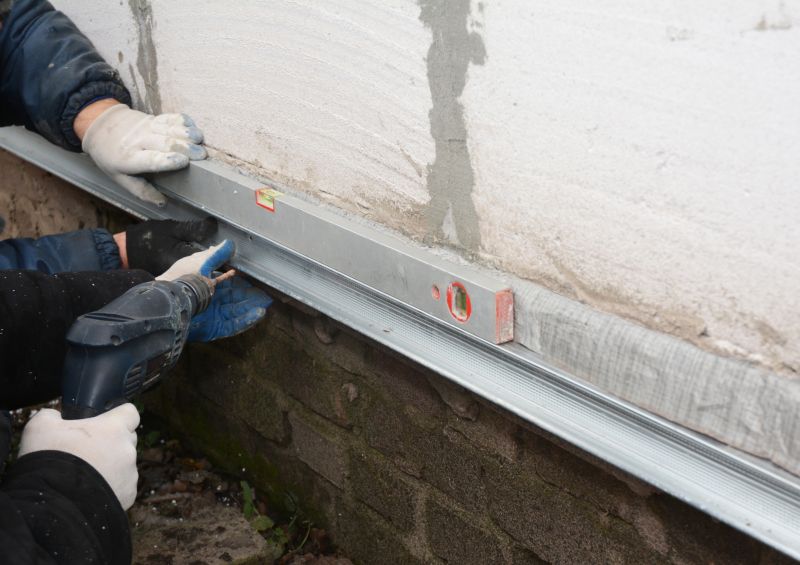
Ways to make Foundation Repairs work in tight or awkward layouts.
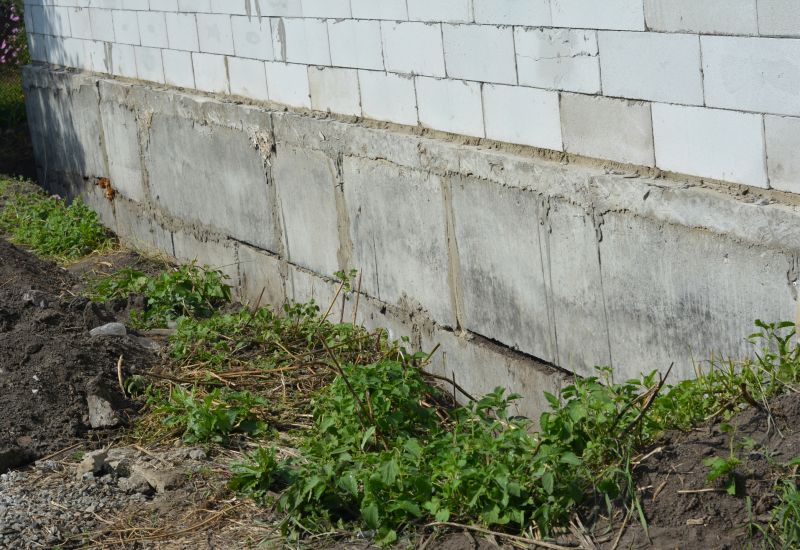
Popular materials for Foundation Repairs and why they hold up over time.
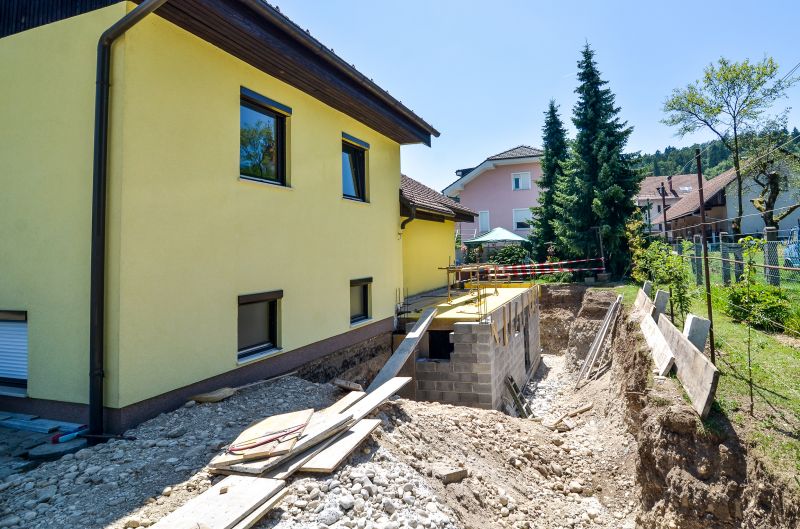
Simple add-ons that improve Foundation Repairs without blowing the budget.
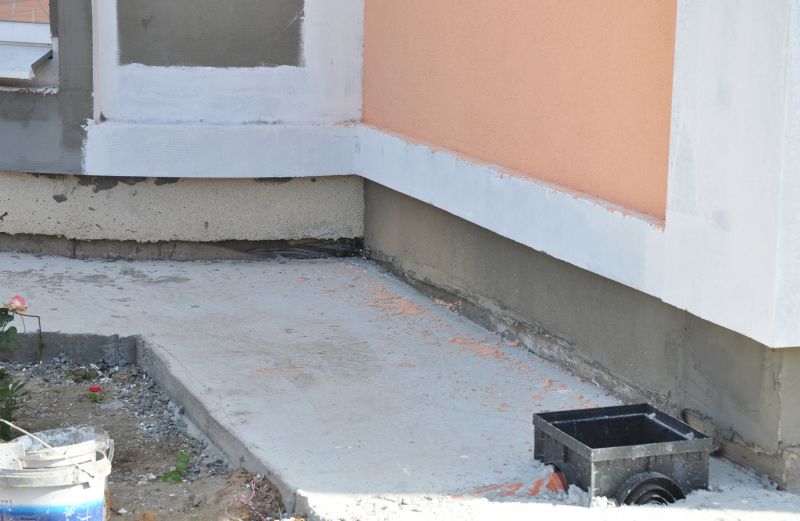
High-end options that actually feel worth it for Foundation Repairs.
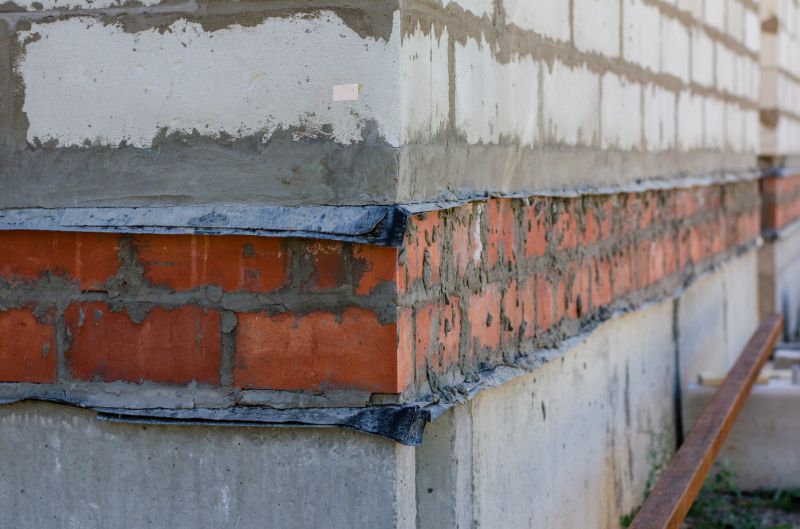
Finishes and colors that play nicely with Foundation Repairs.
| Season | Suitability |
|---|---|
| Spring | Highly suitable due to stable weather and soil conditions. |
| Summer | Suitable, especially in moderate temperatures. |
| Fall | Ideal for repairs with cooler, dry weather. |
| Winter | Not suitable due to freezing temperatures and soil movement. |
| Post-Extreme Weather | Wait until soil stabilizes after heavy rain or drought. |
Foundation repairs are critical for maintaining the structural integrity of a building. They address issues such as settling, cracking, and shifting caused by soil movement, moisture changes, or poor initial construction. Proper timing ensures that repairs are more effective and durable, reducing the likelihood of future problems. Seasonal considerations, local climate, and soil conditions all influence the success of foundation repair projects.
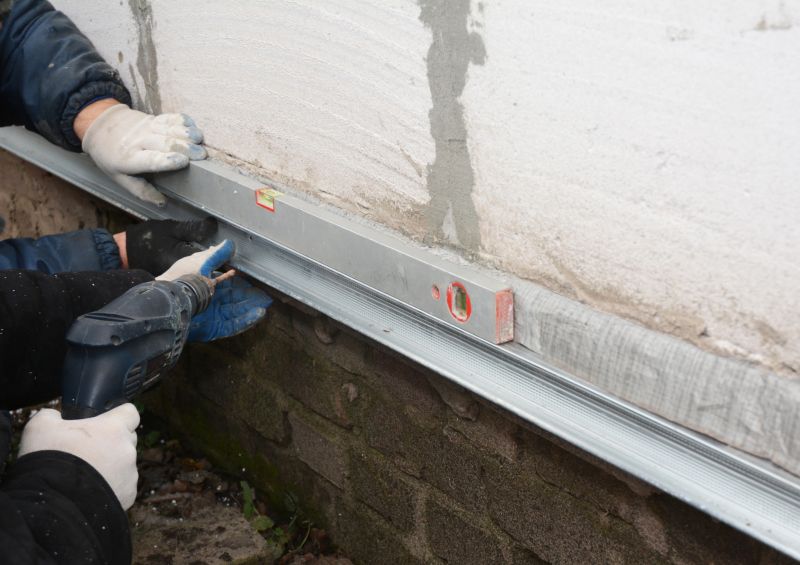
Proper timing enhances the effectiveness of stabilization techniques.
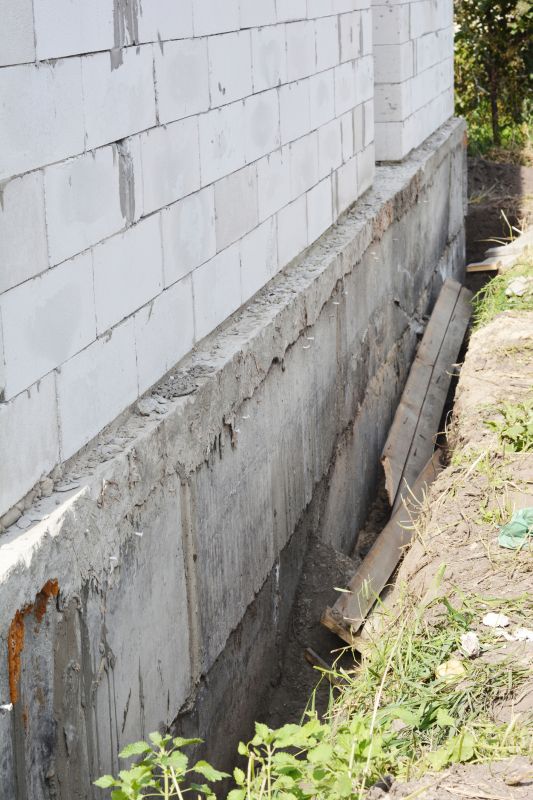
Timing repairs during stable soil conditions prevents further settlement.
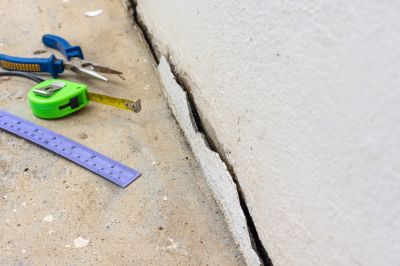
Optimal weather conditions improve crack sealing and filling.
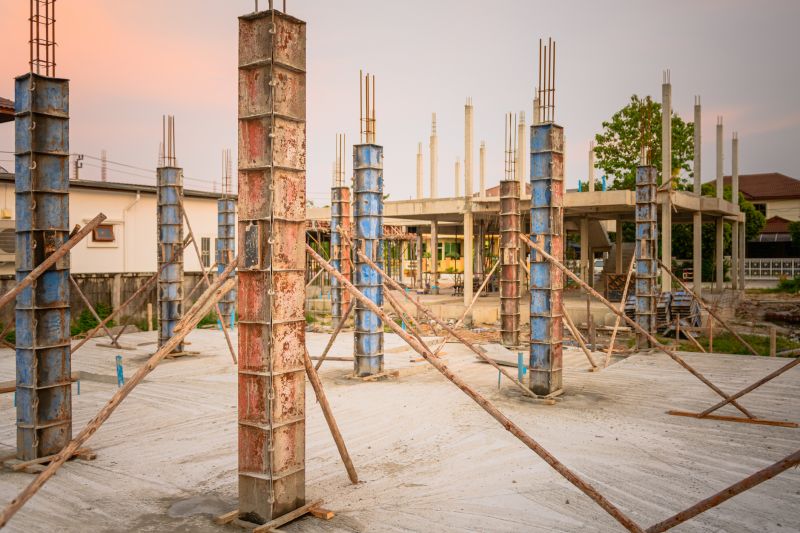
Scheduling during dry seasons supports better installation and curing.
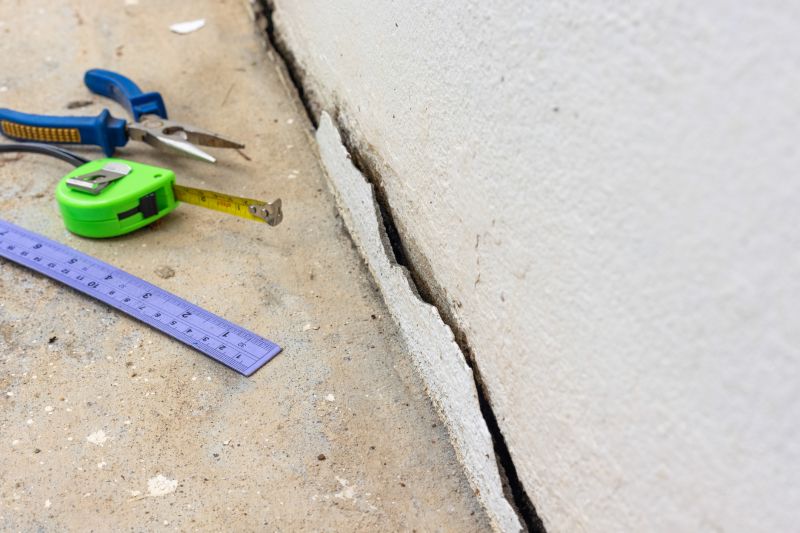
Little measurements that prevent headaches on Foundation Repairs day.
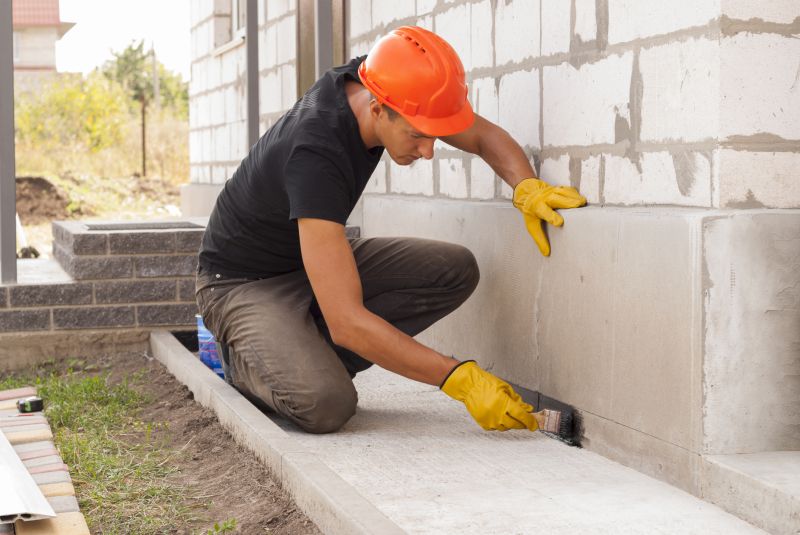
A 60-second routine that keeps Foundation Repairs looking new.
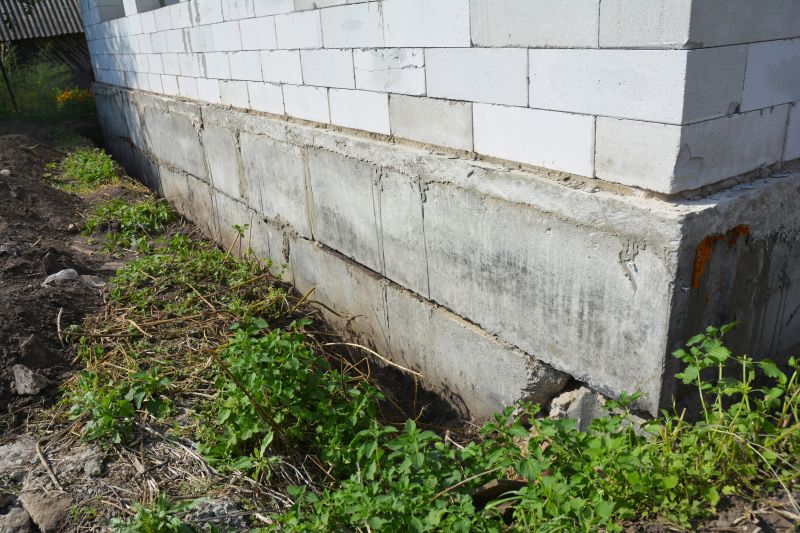
A frequent mistake in Foundation Repairs and how to dodge it.
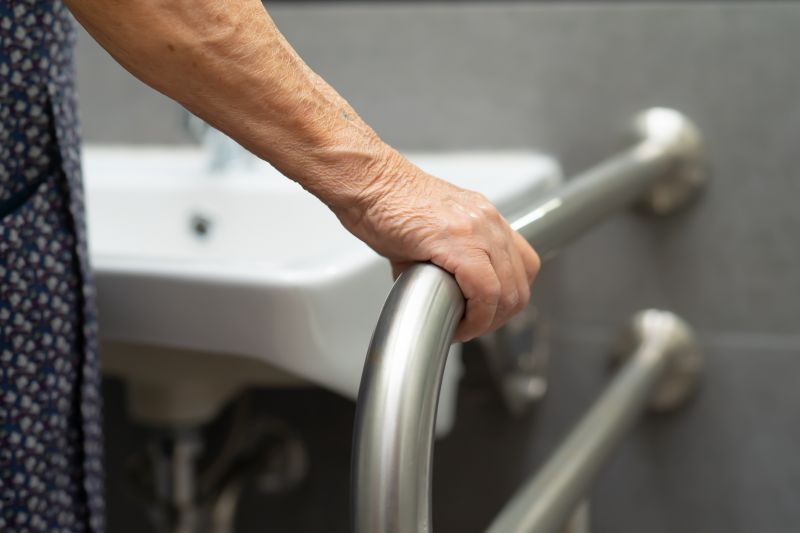
Small tweaks to make Foundation Repairs safer and easier to use.
Choosing the right time for foundation repairs can significantly impact their longevity and effectiveness. Consulting with foundation specialists can help determine the most suitable season based on specific site conditions. Proper planning and timing contribute to safer, more durable repairs that protect property value and structural integrity.
Interested in foundation repairs? Fill out the contact form to get started on a professional assessment and repair plan.